Concept Layout Planning
Before a building is designed, the operation needs to be understood.
VCE helps organizations define operational requirements and develop concept block layouts that support better decisions before architectural and engineering design move too far forward.
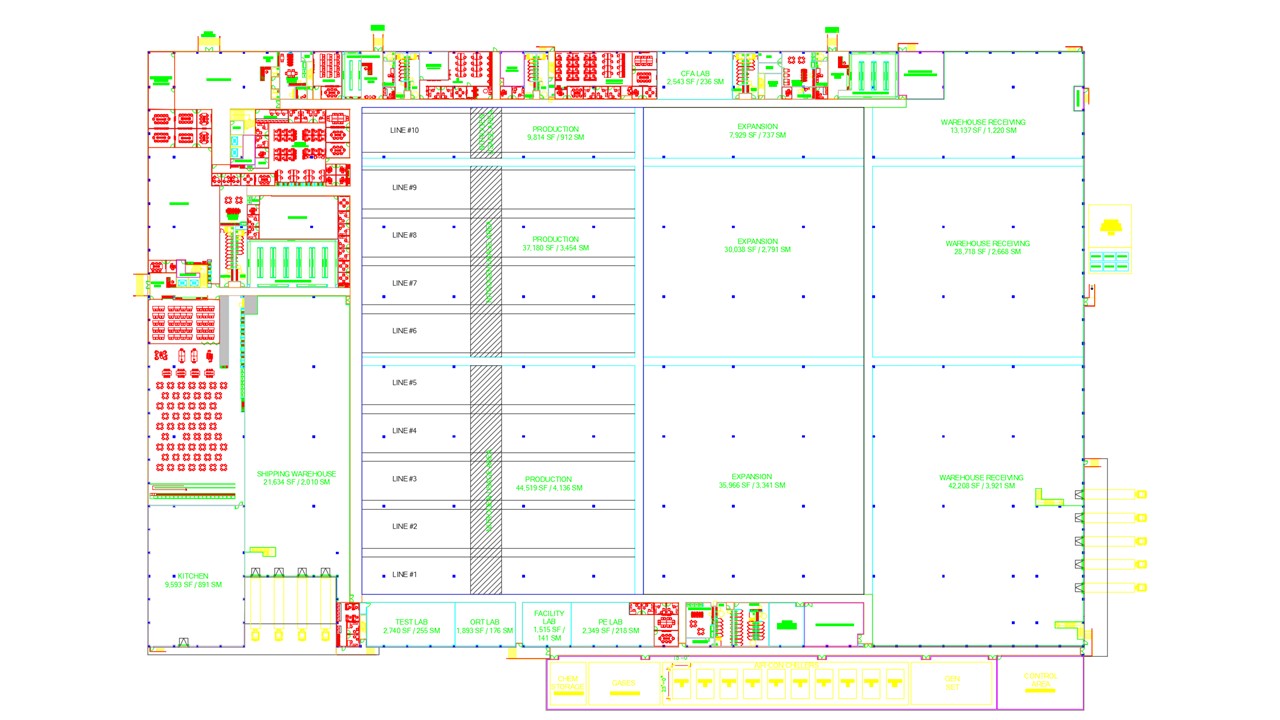
Good facility planning starts with understanding what the operation needs to support. VCE helps define operational requirements before the project moves too far into architectural or engineering design.
Concept block layouts help translate operational needs into an early facility plan. They show how major activities, departments, support areas, and functions may be organized before detailed design begins.
Different activities require different amounts and types of space. VCE helps define activity requirements and space needs so the facility plan is based on the work the building must support.
Good layouts are shaped by how activities relate to each other and how work moves through the facility. VCE helps evaluate key relationships and high-level flow before layout decisions are finalized.
Concept layouts can be test-fit against existing or proposed building drawings. This helps teams understand what fits, what does not fit, and which options deserve further development.
Clear concept layouts help leadership compare options, understand tradeoffs, and select the layout direction to detail further. This supports better decisions before design, construction, and capital commitments move too far forward.