Flow Analysis
Good facility planning starts with understanding how work moves.
VCE helps organizations see the movement of materials, people, vehicles, and equipment so better layout decisions can be made before design and construction move too far forward.
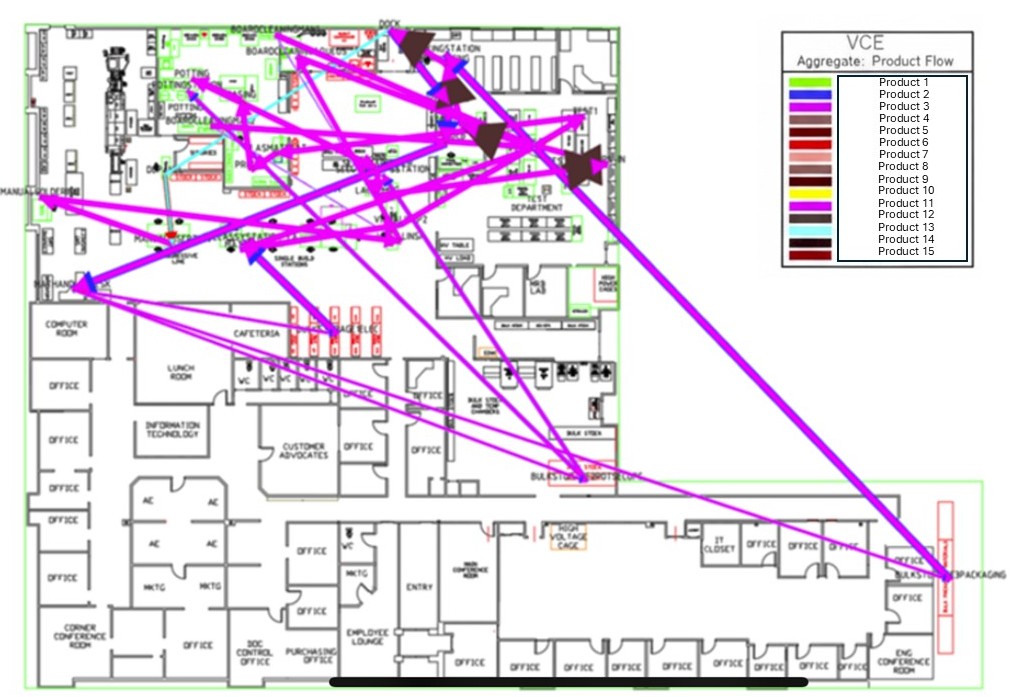
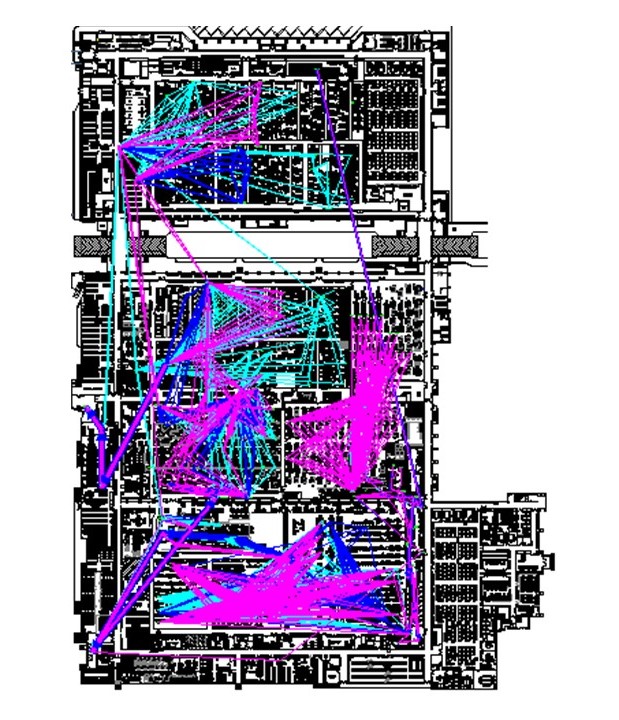
Flow analysis helps organizations see how materials, people, vehicles, and equipment move through the facility. This creates a clearer picture of how the operation actually works.
Facility decisions should be based on how work moves, not just how the building is drawn. VCE helps make movement visible before layout and design decisions are finalized.
Different layout options can create very different movement patterns. Flow analysis helps teams compare options and understand how each one may affect access, movement, daily work, and operational performance.
Flow problems are much easier to address during planning than after construction. Early flow analysis helps teams adjust layouts before costly decisions move too far forward.
Clear flow paths can help reduce crossing traffic, unnecessary travel, congestion, and confusion between people, vehicles, equipment, and materials.
As volume, staffing, equipment, or vehicle activity changes, flow requirements can change too. VCE helps organizations consider future movement needs before facility plans are finalized.